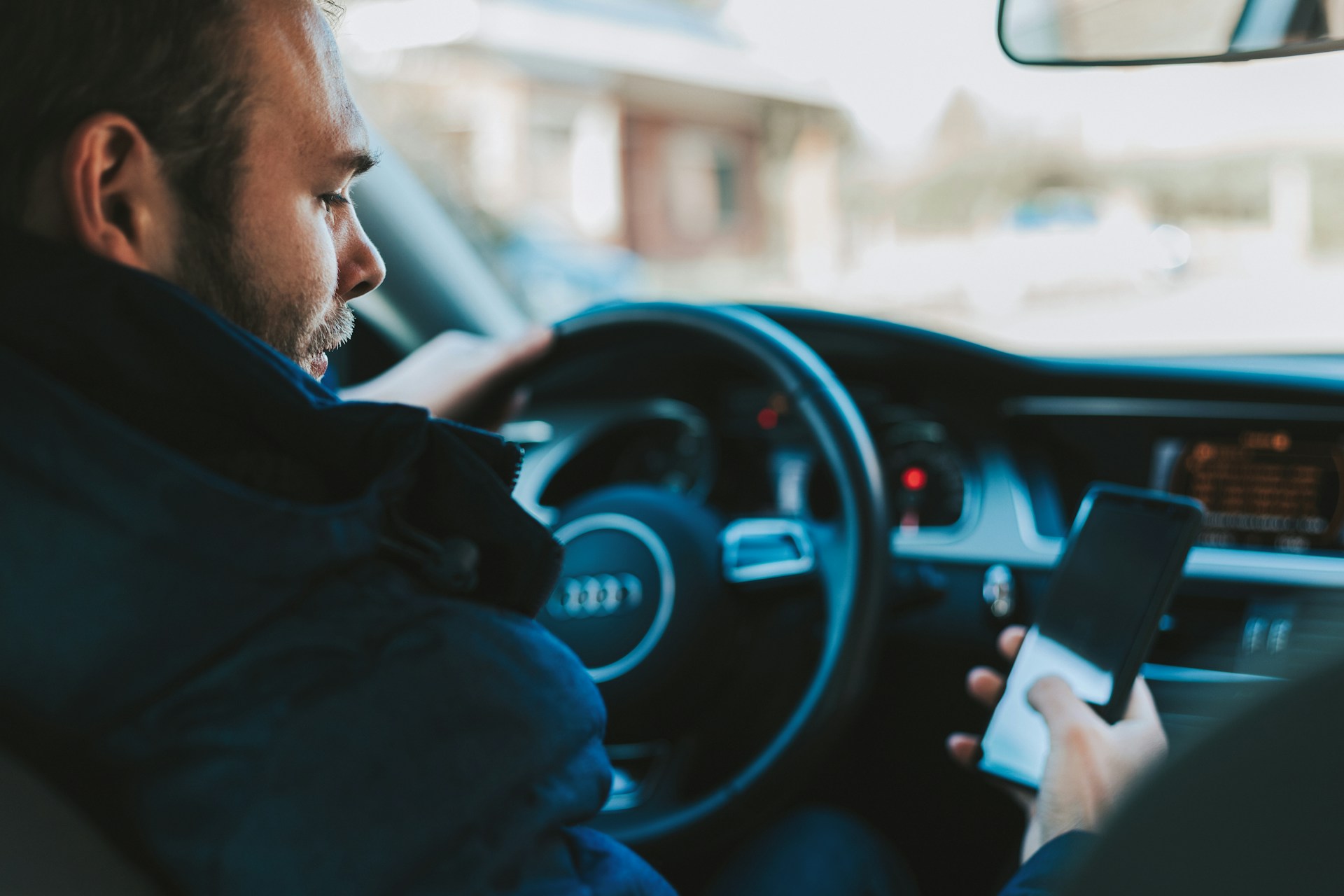
Introduction: A Crisis Hiding in Plain Sight
Every day in the United States, people are killed or seriously injured because a driver chose to look at a phone, eat a sandwich, or fiddle with a GPS instead of paying attention to the road. Distracted driving is not a minor traffic issue. It is a public health crisis that kills thousands of people each year and leaves tens of thousands more with lasting injuries, financial hardship, and emotional trauma.
Motor vehicle accidents are already one of the leading causes of injury and death in the country. When distraction is added to the equation, the consequences become even more devastating. Understanding what distracted driving is, how it causes accidents, and what your legal rights are after a crash can make a real difference in your recovery physically, emotionally, and financially.
This article breaks down the issue of distracted driving in clear, practical terms. Whether you are a crash victim, a concerned driver, or a family member trying to help a loved one, you will find actionable information here.
What Is Distracted Driving?
Distracted driving is any activity that takes a driver's attention away from operating their vehicle safely. Experts typically divide distractions into three categories:
- Visual distractions anything that causes your eyes to leave the road
- Manual distractions anything that causes your hands to leave the steering wheel
- Cognitive distractions anything that causes your mind to wander away from driving
Many distractions fall into more than one category at the same time. Texting while driving, for example, is visual, manual, and cognitive all at once which is why it is considered one of the most dangerous behaviors a driver can engage in.
Common Types of Distracted Driving
While smartphones are the most talkedabout cause, distracted driving takes many forms. Some of the most common include:
- Texting, scrolling social media, or browsing the internet on a phone
- Talking on a handheld or even handsfree phone
- Eating or drinking while driving
- Grooming applying makeup, fixing hair, or shaving
- Talking to passengers, especially children in the back seat
- Adjusting the radio, music app, or climate controls
- Programming or glancing at a GPS or navigation system
- Daydreaming or losing focus due to fatigue or stress
- Watching videos or looking at photos on a phone or tablet
According to the National Highway Traffic Safety Administration (NHTSA), distracted driving claimed 3,142 lives in 2019 alone. That figure represents real people parents, children, neighbors, and coworkers whose lives were cut short because of a preventable decision. The true number is likely higher, because distraction is often underreported in crash data.
How Long Does a Distraction Actually Last?
Many drivers underestimate how long they are actually distracted. Sending or reading a single text message takes an average of five seconds. At 55 miles per hour, five seconds is enough time to travel the length of an entire football field completely blind to whatever is in your path. That context helps explain why even brief distractions can lead to catastrophic crashes.
Who Is at Risk from Distracted Driving?
The consequences of distracted driving do not only fall on the person behind the wheel. Everyone sharing the road is at risk.
Drivers
Distracted drivers face the obvious risk of crashing their own vehicle. Even experienced drivers with excellent records are not immune. Overconfidence can actually increase risk many distracted driving incidents involve drivers who believed they could safely multitask.
Passengers
Passengers have no control over the driver's behavior. They trust the person behind the wheel to keep them safe. When that trust is broken by distraction, passengers can suffer serious injuries through no fault of their own.
Pedestrians and Cyclists
People on foot or on bikes are among the most vulnerable victims of distracted driving. They have no protective barrier between themselves and a vehicle. A driver who looks down at a phone for even a second may not see a pedestrian in a crosswalk or a cyclist in a bike lane until it is too late.
Other Motorists
Drivers in nearby vehicles are also at risk. A distracted driver who drifts into another lane, runs a red light, or fails to brake in time can cause multivehicle pileups with serious consequences for everyone involved.
Beyond physical injuries, victims of distracted driving accidents often face significant emotional and financial challenges. Medical bills can pile up quickly. Time away from work affects income. Pain, anxiety, and posttraumatic stress can follow victims for years after the crash.
The Legal Landscape: Your Rights as a Victim
If you were injured in a motor vehicle accident caused by a distracted driver, you may have a legal right to seek financial compensation. This right exists because negligence the failure to exercise reasonable care is at the heart of most personal injury claims. A driver who chose to text, eat, or otherwise take their attention off the road breached their duty to drive safely. If that breach caused your injuries, the law may hold them accountable.
What Compensation Can You Seek?
Depending on the circumstances of your accident and the laws in your state, you may be entitled to compensation for:
- Medical expenses emergency room visits, surgeries, hospital stays, physical therapy, prescription medications, and future medical costs related to your injuries
- Lost wages income you lost because you could not work during your recovery
- Loss of earning capacity if your injuries prevent you from returning to your previous job or reduce your ability to earn in the future
- Pain and suffering compensation for the physical pain and emotional distress caused by the accident and your injuries
- Property damage repair or replacement costs for your vehicle and any other personal property damaged in the crash
- Loss of enjoyment of life if your injuries have prevented you from enjoying activities and hobbies that were important to you
Understanding Negligence and Fault
To succeed in a personal injury claim, your attorney will typically need to establish four elements: that the other driver had a duty to drive safely, that they breached that duty through distracted behavior, that the breach caused the accident, and that the accident caused your injuries and damages. Evidence such as cell phone records, eyewitness testimony, traffic camera footage, and police reports can all play a crucial role in proving distraction.
State Laws and Statutes of Limitations
Traffic laws and personal injury laws vary significantly from state to state. Most states have enacted specific laws banning texting while driving, and many ban the use of handheld devices entirely. Violating these laws can be used as evidence of negligence in a civil lawsuit.
Every state also has a statute of limitations a deadline for filing a personal injury claim. These deadlines typically range from one to three years from the date of the accident, though they can vary based on the type of claim and the parties involved. Missing this deadline can permanently bar you from seeking compensation, so it is critical to act promptly.
An experienced motor vehicle accident attorney can explain the specific laws in your state and help you understand your options before time runs out.
A Brief History of Distracted Driving Awareness
Efforts to combat distracted driving have grown significantly over the past two decades, though the problem continues to evolve alongside technology.
- 2000: The first national campaigns against distracted driving begin to raise public awareness.
- 2010: The NHTSA launches a major nationwide initiative focused on the dangers of texting while driving. The campaign helps drive early legislation in many states.
- 2012: A majority of U.S. states have enacted laws banning texting while driving, with penalties ranging from fines to license suspension.
- 2014: Research shows that handsfree devices are not as safe as previously assumed cognitive distraction remains even when drivers are not holding a phone.
- 2018: Several states begin passing stricter laws banning all handheld device use while driving, not just texting.
- 2020: The NHTSA reports a troubling increase in distracted driving incidents, partly linked to changes in driving behavior during the COVID19 pandemic.
- 2023 and beyond: Newer vehicles include builtin distraction monitoring systems, and advocates continue to push for stronger federal standards and enforcement.
Despite decades of public awareness campaigns, legislation, and technological interventions, distracted driving remains stubbornly common. The convenience and habitual nature of smartphone use makes behavior change difficult which is why legal accountability remains such an important tool for protecting victims.
Practical Steps to Take After a Distracted Driving Accident
If you or a loved one has been involved in a motor vehicle accident caused by a distracted driver, the steps you take in the hours and days that follow can significantly impact your health and your legal case. Here is what to do:
1. Prioritize Your Safety and Get Medical Attention
Move to a safe location if you can do so without further injury. Call 911 to report the accident and request medical assistance. Even if you feel fine or your injuries seem minor, see a doctor as soon as possible. Many serious injuries including traumatic brain injuries, internal bleeding, and spinal damage do not produce obvious symptoms right away. A medical evaluation creates an official record linking your injuries to the accident, which is important for any future legal claim.
2. Call the Police
A police report is one of the most valuable pieces of evidence in a distracted driving case. Officers will document the scene, speak to witnesses, and may note any indicators of distraction such as a driver admitting they were on their phone. Request a copy of the report as soon as it becomes available.
3. Document Everything at the Scene
If you are physically able to do so, gather as much information as possible before leaving the accident scene:
- Take photographs of vehicle damage, skid marks, road conditions, traffic signs, and any visible injuries
- Get the names, phone numbers, and addresses of all witnesses
- Collect the other driver's name, license number, insurance information, and vehicle details
- Note the time, date, weather, and exact location of the crash
- Avoid making statements about fault even casual apologies can be used against you later
4. Notify Your Insurance Company
Report the accident to your insurance company promptly. Be honest and factual, but avoid speculating about fault or minimizing your injuries. Keep notes on every conversation you have with insurance representatives, including dates, names, and what was discussed.
5. Keep Detailed Records
From the moment of the accident forward, maintain a file that includes:
- All medical records, diagnoses, and treatment notes
- Bills and receipts for every expense related to the accident
- Documentation of missed work days and lost income
- A personal journal describing your pain levels, limitations, and emotional state each day
- All correspondence with insurers, employers, and healthcare providers
These records will be essential if you decide to pursue a legal claim.
6. Consult a Motor Vehicle Accident Attorney
Speaking with an attorney who specializes in motor vehicle accidents is one of the most important steps you can take. A qualified attorney can evaluate your case, identify all potential sources of compensation, deal with insurance companies on your behalf, and advise you on whether to settle or pursue litigation. Most personal injury attorneys work on a contingency fee basis, meaning you pay nothing unless they recover compensation for you.
How Attorneys Prove Distracted Driving
One challenge in distracted driving cases is proving that the driver was actually distracted at the time of the crash. Fortunately, experienced attorneys have several tools available to build a strong case:
- Cell phone records: Subpoenas can be used to obtain records showing whether the driver was texting, calling, or using an app at the time of the accident.
- Eyewitness testimony: Bystanders or passengers may have seen the driver looking at a phone or otherwise not paying attention.
- Traffic and surveillance cameras: Footage from nearby cameras may capture the driver's behavior in the moments before impact.
- Vehicle data recorders: Many modern vehicles contain event data recorders (sometimes called black boxes) that track speed, braking, and other behavior.
- Social media: Posts, checkins, or messages made around the time of the crash can establish that a driver was engaged with their phone.
Conclusion: You Deserve Support After a Distracted Driving Accident
Distracted driving is a choice and when that choice results in injury to another person, the law provides a path to justice and accountability. Victims of these accidents should never have to shoulder the physical, emotional, and financial burden alone.
If you or someone you love has been hurt in a motor vehicle accident caused by a distracted driver, understanding your rights is the first step. Acting quickly is the second. Evidence can disappear, witnesses can forget details, and legal deadlines can pass before you realize it. The sooner you begin the process of protecting your claim, the better positioned you will be to recover the compensation you deserve.
You do not have to navigate this alone. Start by taking one simple step: begin a free case check at Pursuing.com today. It costs nothing, and it could make all the difference in your path to recovery.